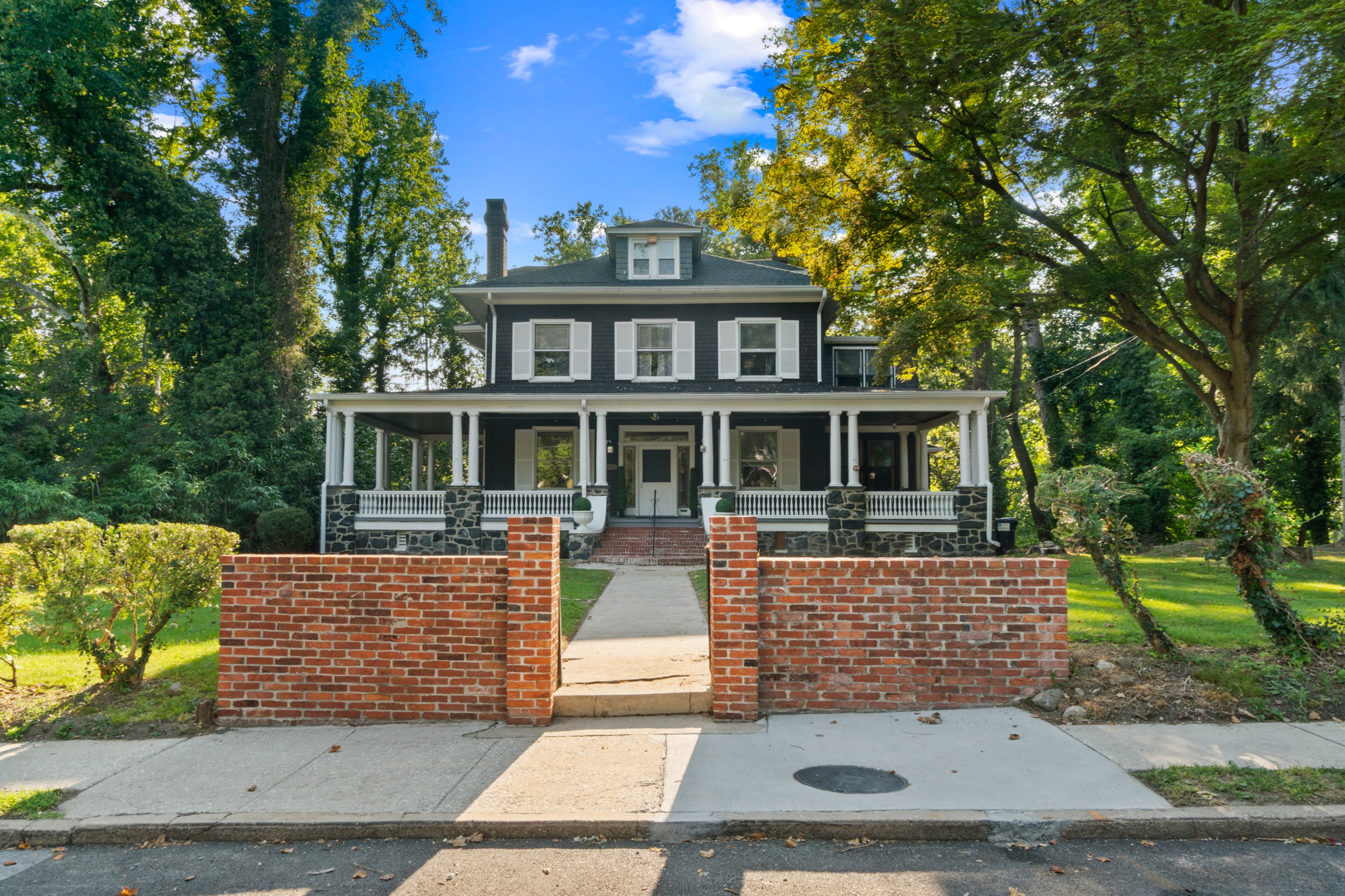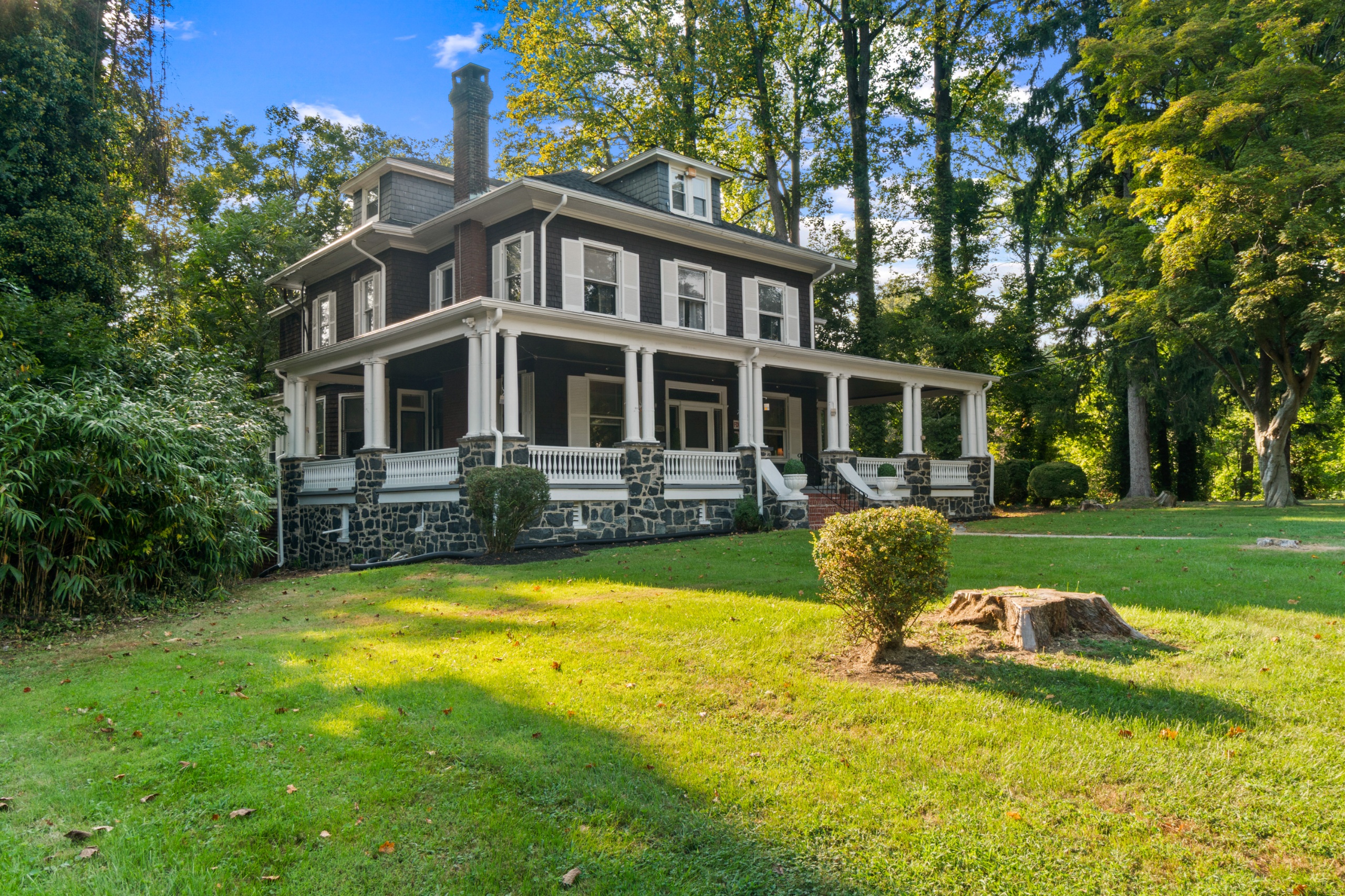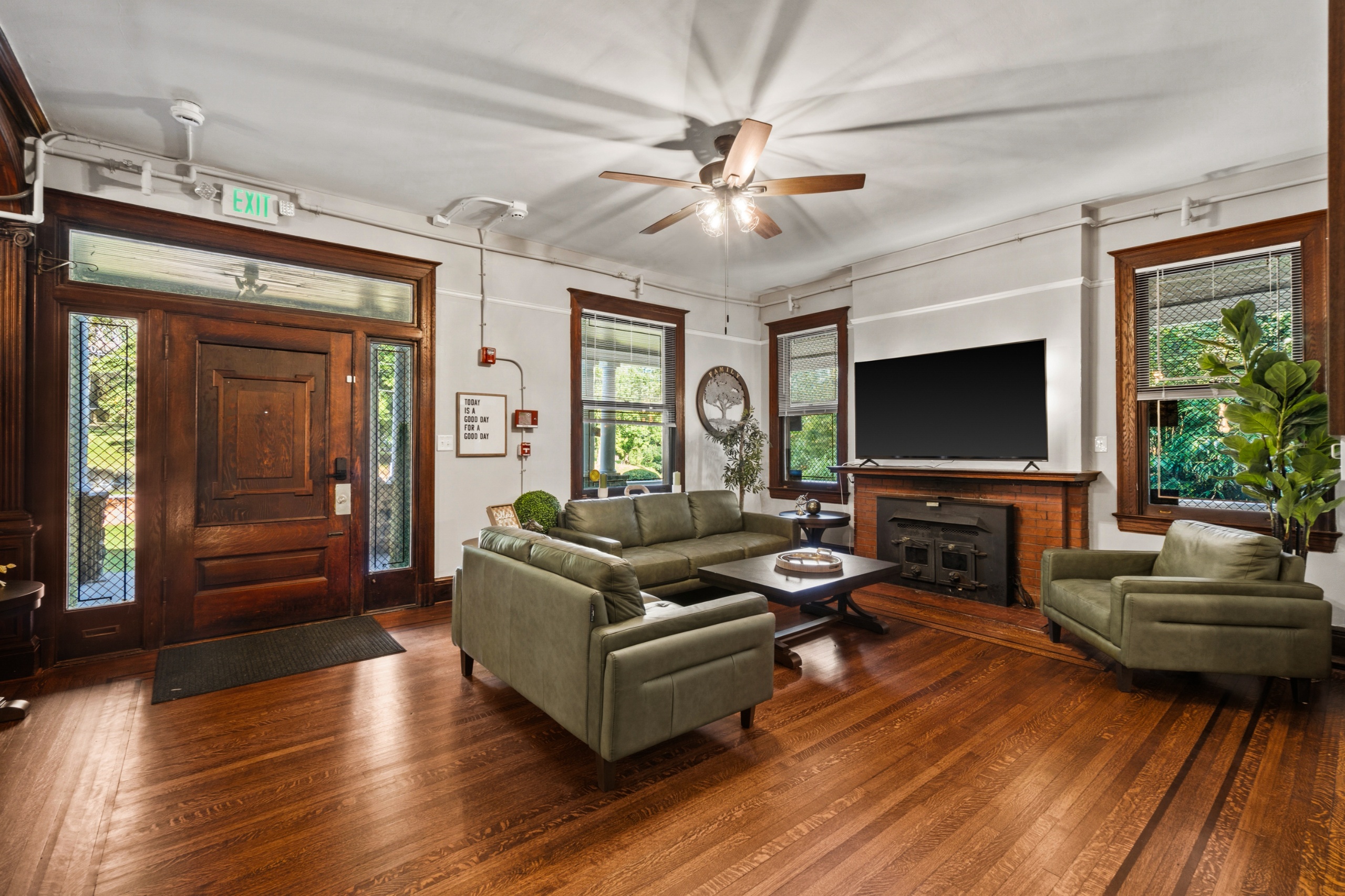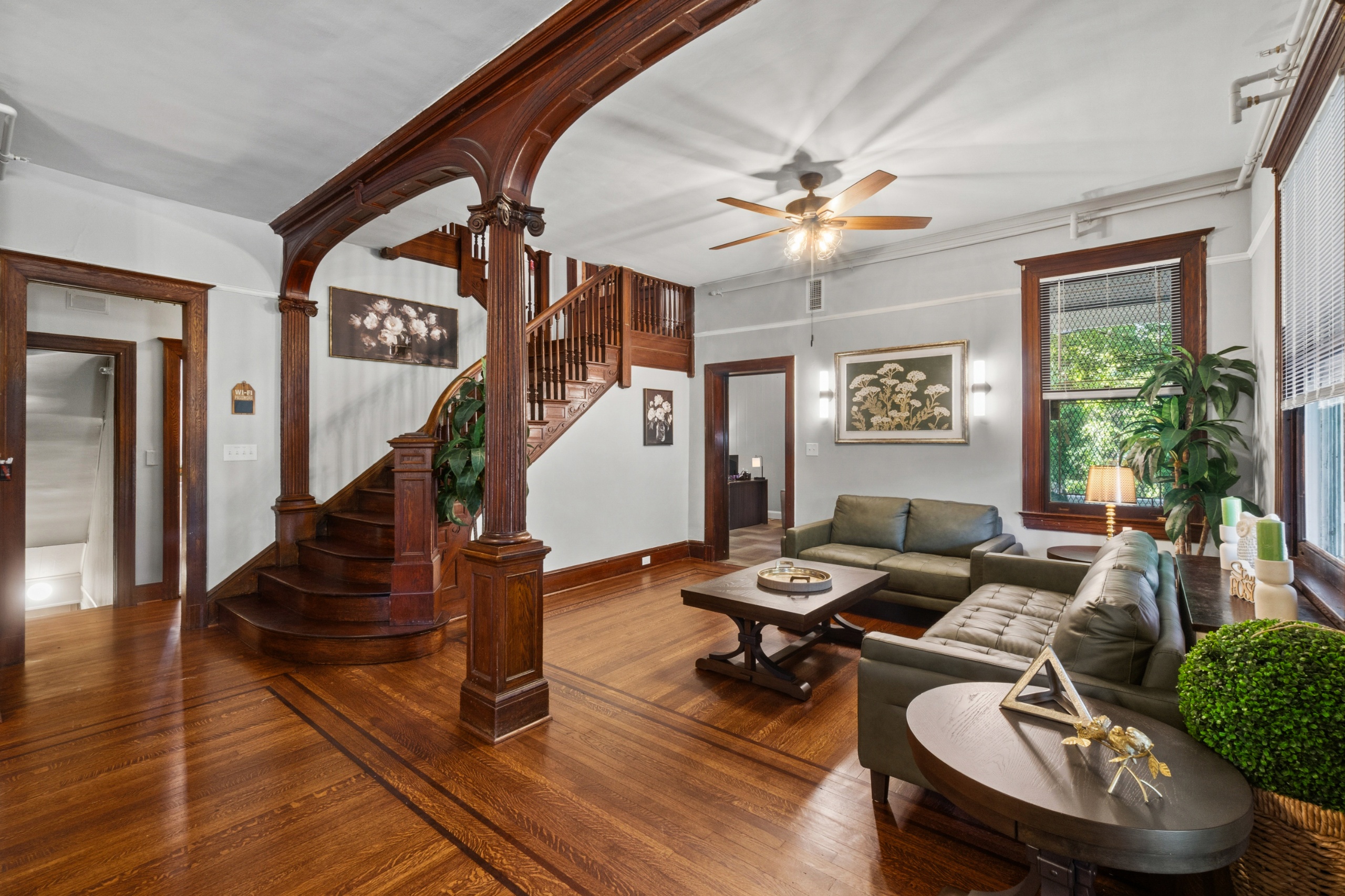
Structure, Support and a Clear Path Forward
Mulligan Recovery Centers offers a 16-bed residential treatment program designed specifically for men who need a highly structured and supportive environment to begin building a life in recovery.
Our ASAM Level 3.5 program provides clinically managed, high-intensity residential treatment for individuals whose substance use, behavioral health needs or living circumstances make outpatient care insufficient. Clients live on-site and participate in a comprehensive treatment schedule focused on stabilization, personal growth, relapse prevention and long-term recovery.
With only 16 beds, our program offers a close-knit setting where clients are known as individuals, not treated like numbers.
Recovery becomes possible when a person feels safe, understood and supported. That is where we begin.
What Is ASAM Level 3.5 Residential Treatment?
This level of treatment may be appropriate for men who:
- Have experienced repeated relapse or difficulty maintaining recovery
- Need separation from an unstable or substance-using environment
- Require more structure than outpatient or partial hospitalization services can provide
- Have co-occurring mental health symptoms affecting their recovery
- Need help developing coping skills, emotional regulation and daily stability
- Would benefit from around-the-clock support in a recovery-focused setting
- Need a strong discharge plan before safely returning to the community
Our goal is not simply to help clients stop using substances while they are with us. We help them understand what has kept them trapped, strengthen the skills needed to respond differently and build a realistic plan for what happens next.
Individualized Care - Because Every Story Is Different
- Individual counseling
- Therapeutic group services
- Substance use education
- Relapse-prevention planning
- Trauma-informed support
- Emotional-regulation and coping-skills development
- Life-skills education
- Family education and involvement, when appropriate
- Peer and recovery support
- Case management and care coordination
- Medication and psychiatric service coordination
- Discharge and continuing-care planning
Co-Occurring Mental Health Treatment
Our program addresses substance use and co-occurring behavioral health needs together. Rather than treating one concern while ignoring the other, our team works to understand how mental health symptoms, personal experiences, relationships and substance use influence one another.
- Mental health assessments
- Individual and group therapy
- Psychiatric evaluation and medication management coordination
- Trauma-informed care
- Education about mental health and substance use
- Development of healthy coping and emotional-regulation skills
- Ongoing coordination with behavioral health providers
By treating the whole person, we help clients build a stronger and more sustainable foundation for recovery.
The C.L.U.E. Is How We Lead
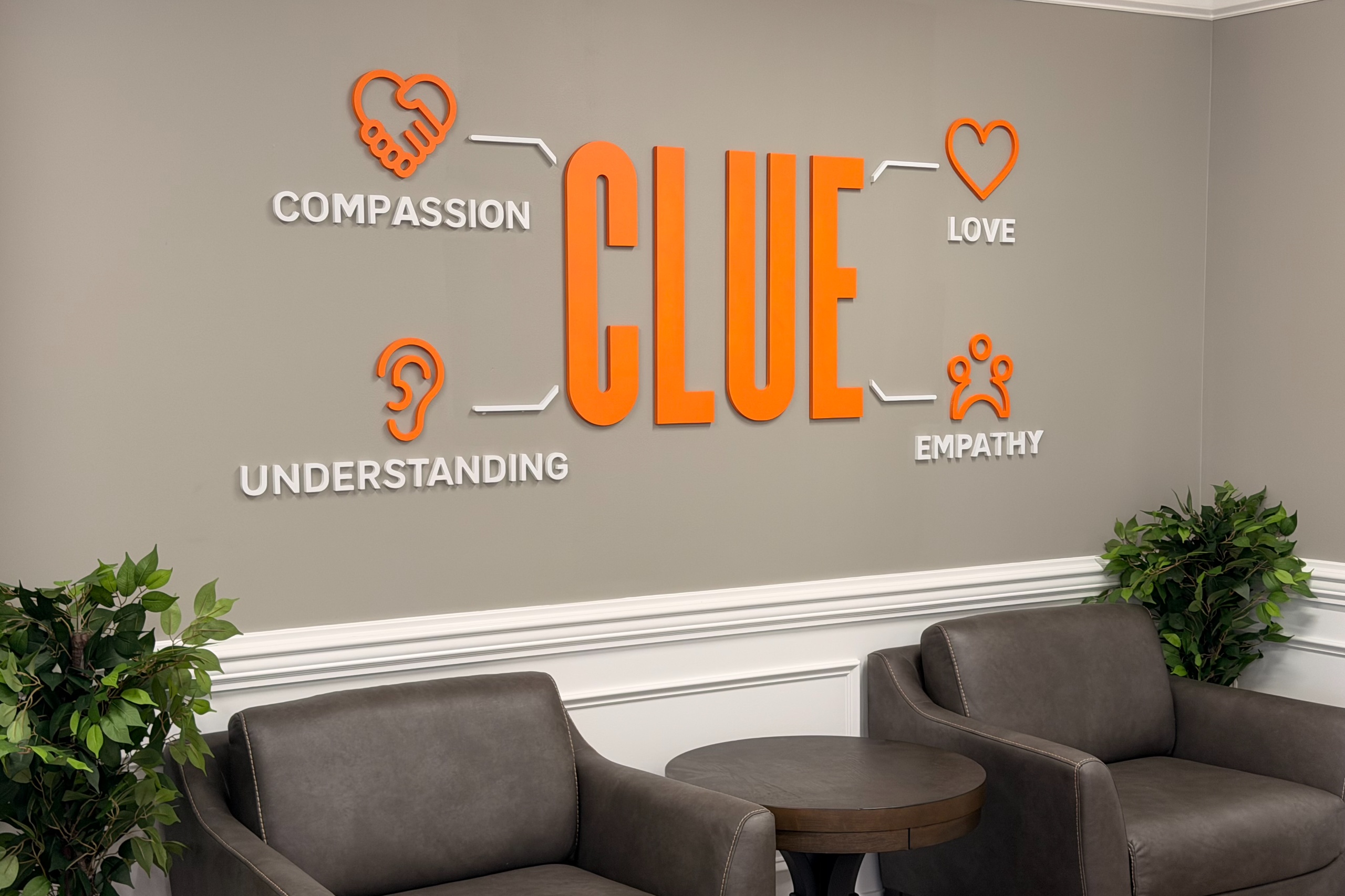
At Mulligan Recovery Centers, our work is guided by four principles:
Compassion
We recognize that every client is more than the choices he has made or the circumstances that brought him to treatment. We respond to struggle with patience, dignity and genuine care.
Love
We believe people heal through connection. Love means showing clients that their lives have value while holding them accountable to the work recovery requires.
Understanding
We take the time to understand each person’s experiences, needs, and barriers. We listen before we judge and seek the reasons behind the behavior, not just the behavior itself.
Empathy
We meet people where they are without leaving them there. Empathy allows us to acknowledge a client’s pain while helping him move toward responsibility, healing, and change.
Compassion. Love. Understanding. Empathy.
C.L.U.E. is more than a philosophy displayed on a wall. It shapes how our team communicates, how we build trust, and how we care for every person who enters our program.
What Clients Can Expect
Programming may include:
- Individual and group counseling
- Recovery-focused education
- Relapse-prevention groups
- Mental health and wellness services
- Peer-support activities
- Life-skills development
- Recreation and healthy social connection
- Case-management services
- Community-based recovery support
- Discharge and aftercare preparation
Clients are expected to participate actively, take increasing responsibility for their recovery and begin practicing the skills they will need after residential treatment.
The environment is supportive, but the work is real.
A Small Program With a Personal Approach
The smaller setting supports:
- More individualized attention
- Stronger therapeutic relationships
- Greater accountability
- A close-knit recovery community
- Better coordination among clinical and support staff
- Discharge planning tailored to each client’s actual circumstances
Clients are not lost in a large institution. They are seen, heard and challenged to become active participants in their recovery.
Planning for Life After Residential Treatment
Discharge planning begins early and is based on each client’s clinical needs, living situation, support system and long-term goals. Our team works with clients to create a continuing-care plan that supports a safe transition into the next stage of recovery.

- Partial hospitalization programming
- Intensive outpatient treatment
- Outpatient counseling
- Mental health and psychiatric services
- Recovery housing
- Peer-support and community recovery meetings
- Primary care or specialty medical services
- Employment, education or vocational resources
- Family and community supports
When appropriate, clients may continue receiving care through Mulligan Recovery Centers’ broader continuum of services, allowing for greater consistency as their needs and level of care change.
Recovery Starts With One Honest Conversation
If you or someone you care about needs more structure than outpatient treatment can provide, our men’s 3.5 residential program may be the right next step.
Our admissions team can answer your questions, discuss eligibility, coordinate referrals and help determine whether this level of care is clinically appropriate.
16 residential beds. One close-knit community. Individualized treatment built around the person, not just the diagnosis.
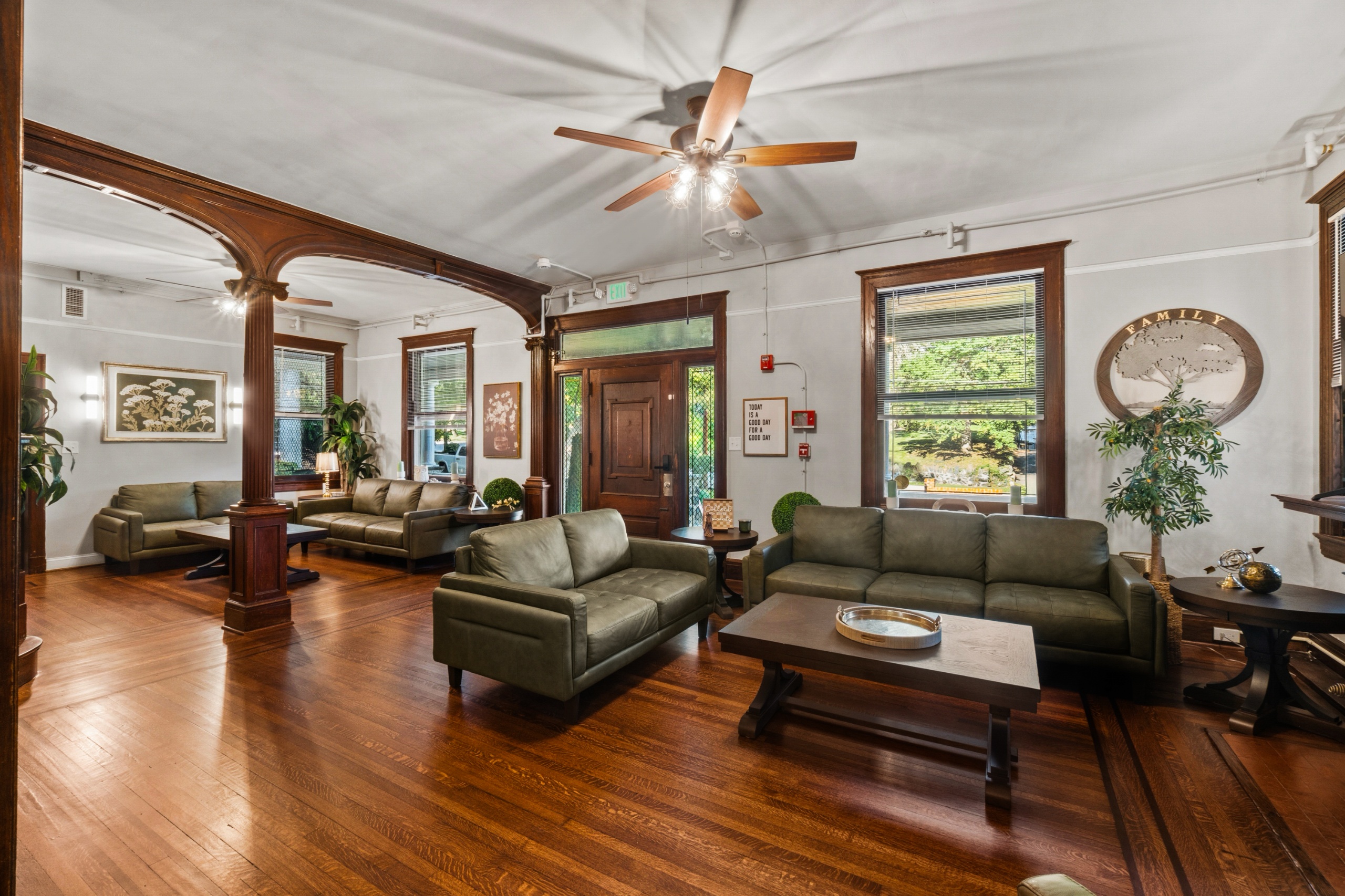
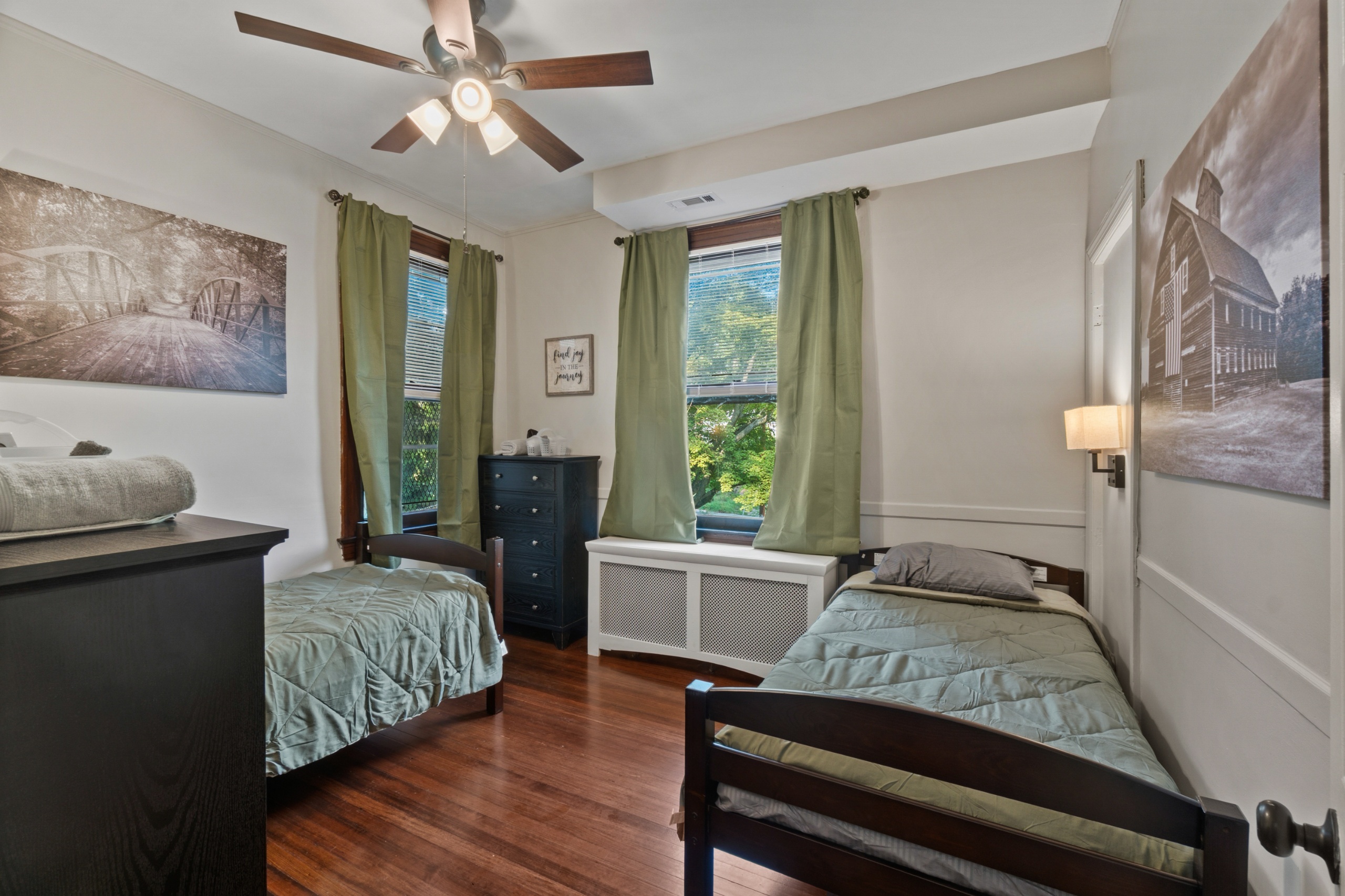
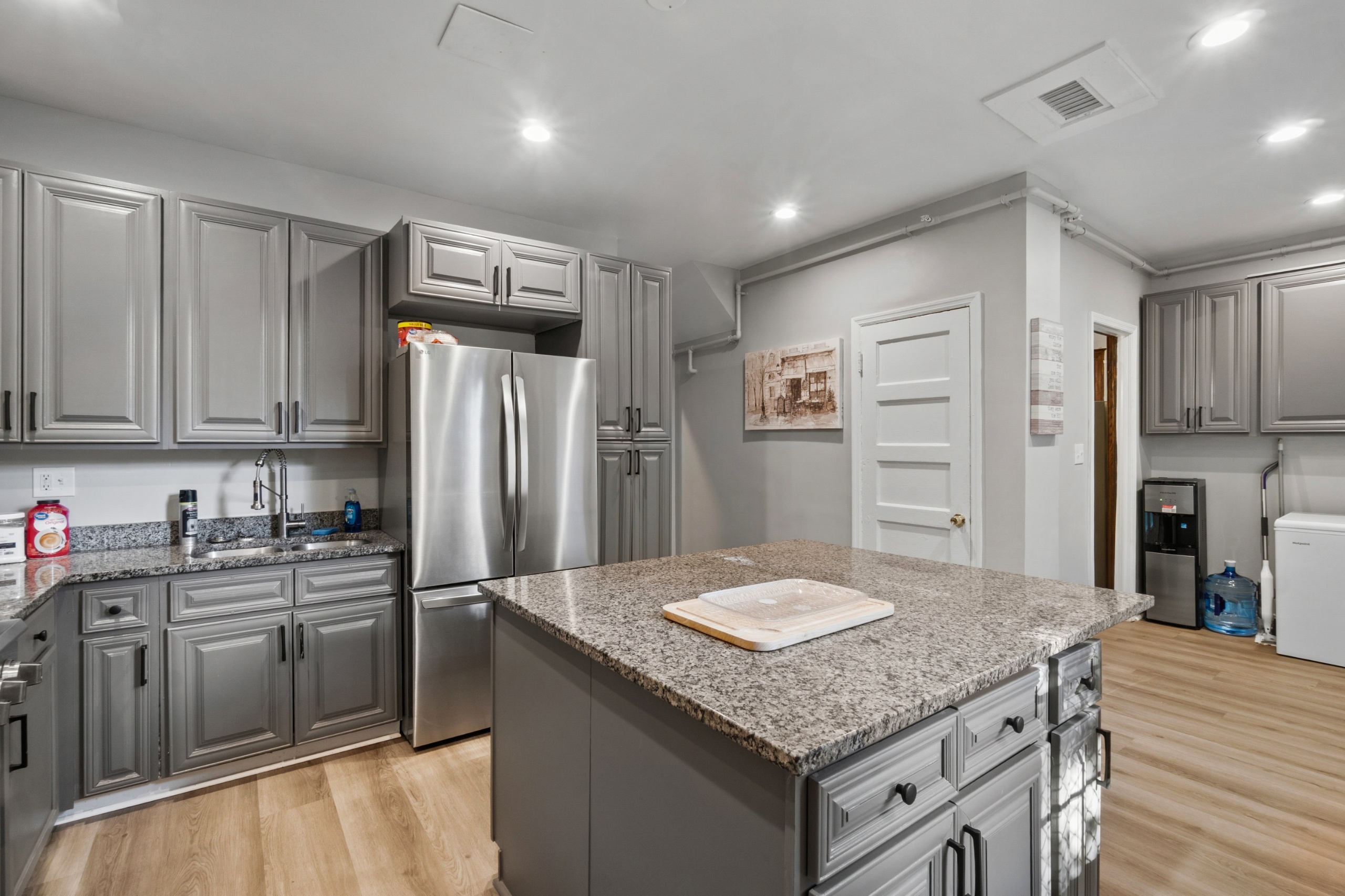
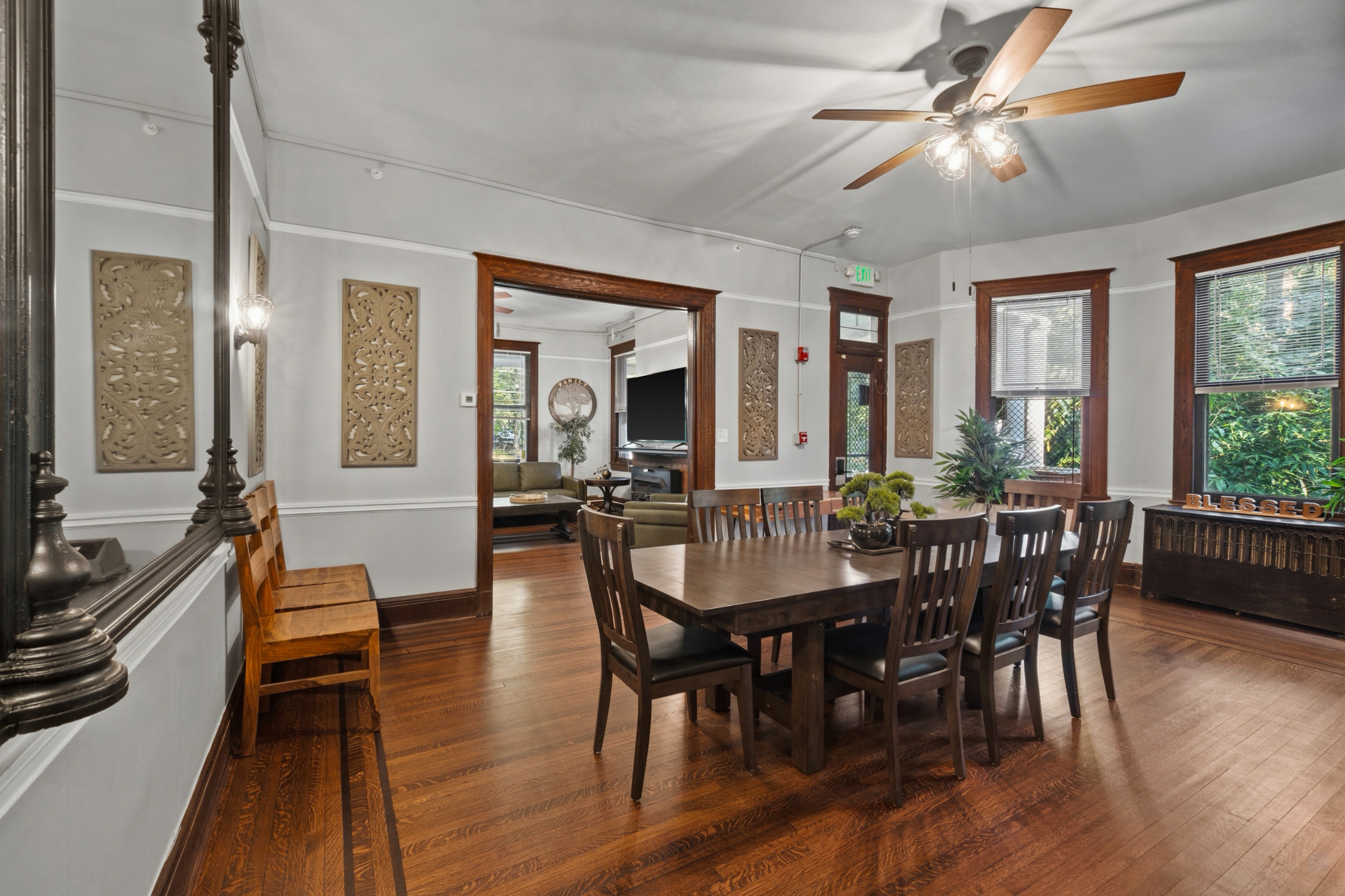
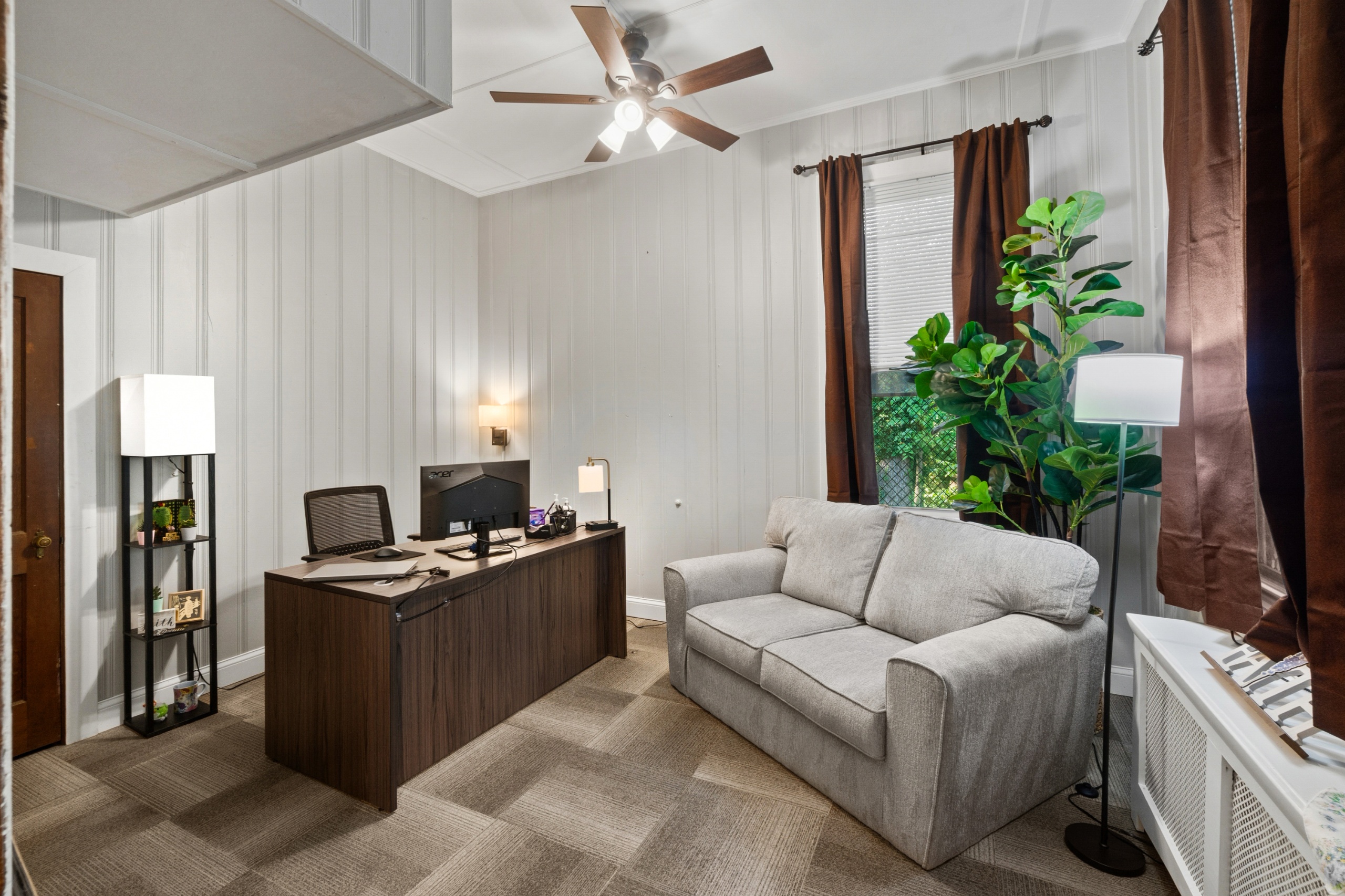
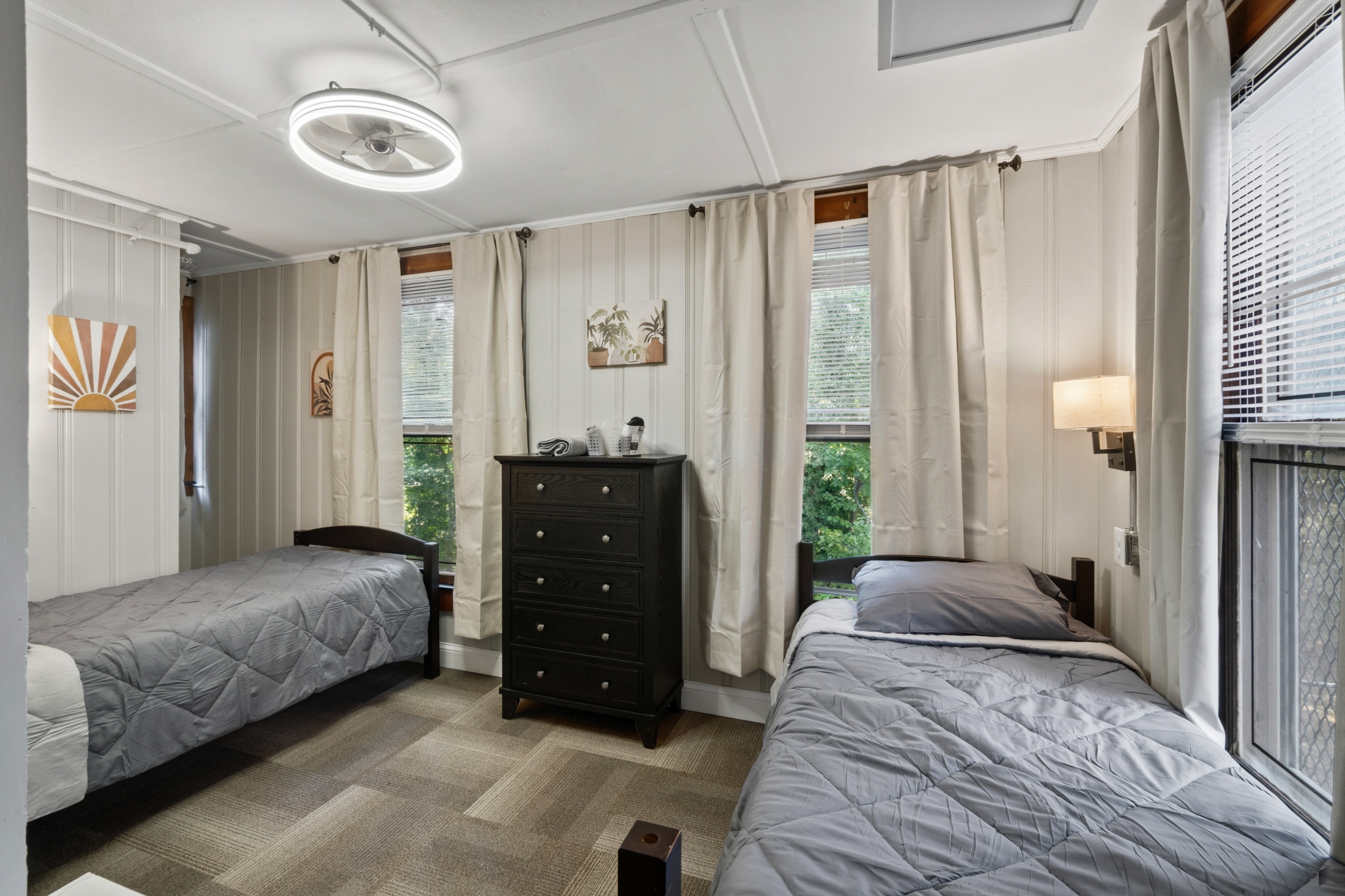
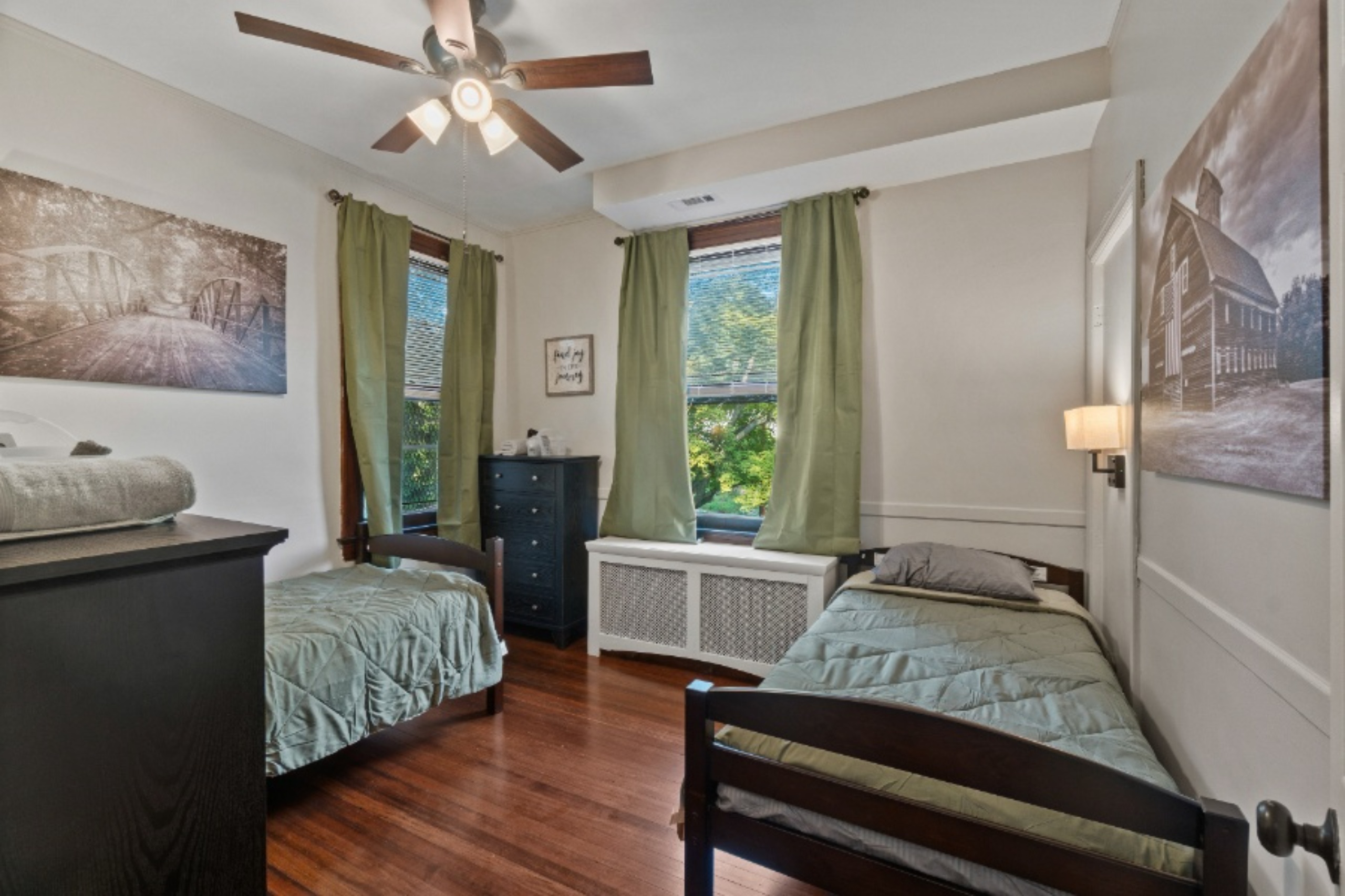
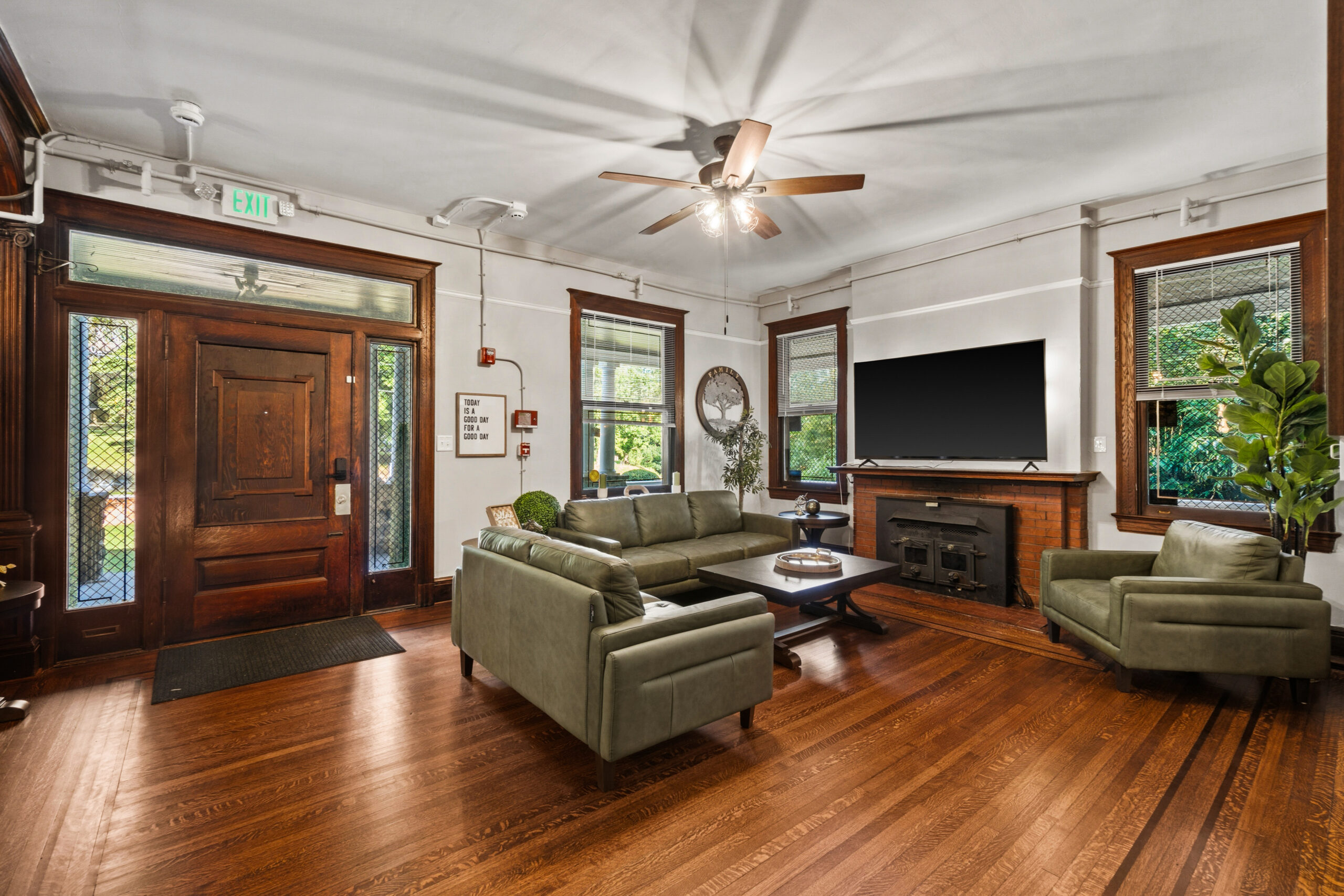
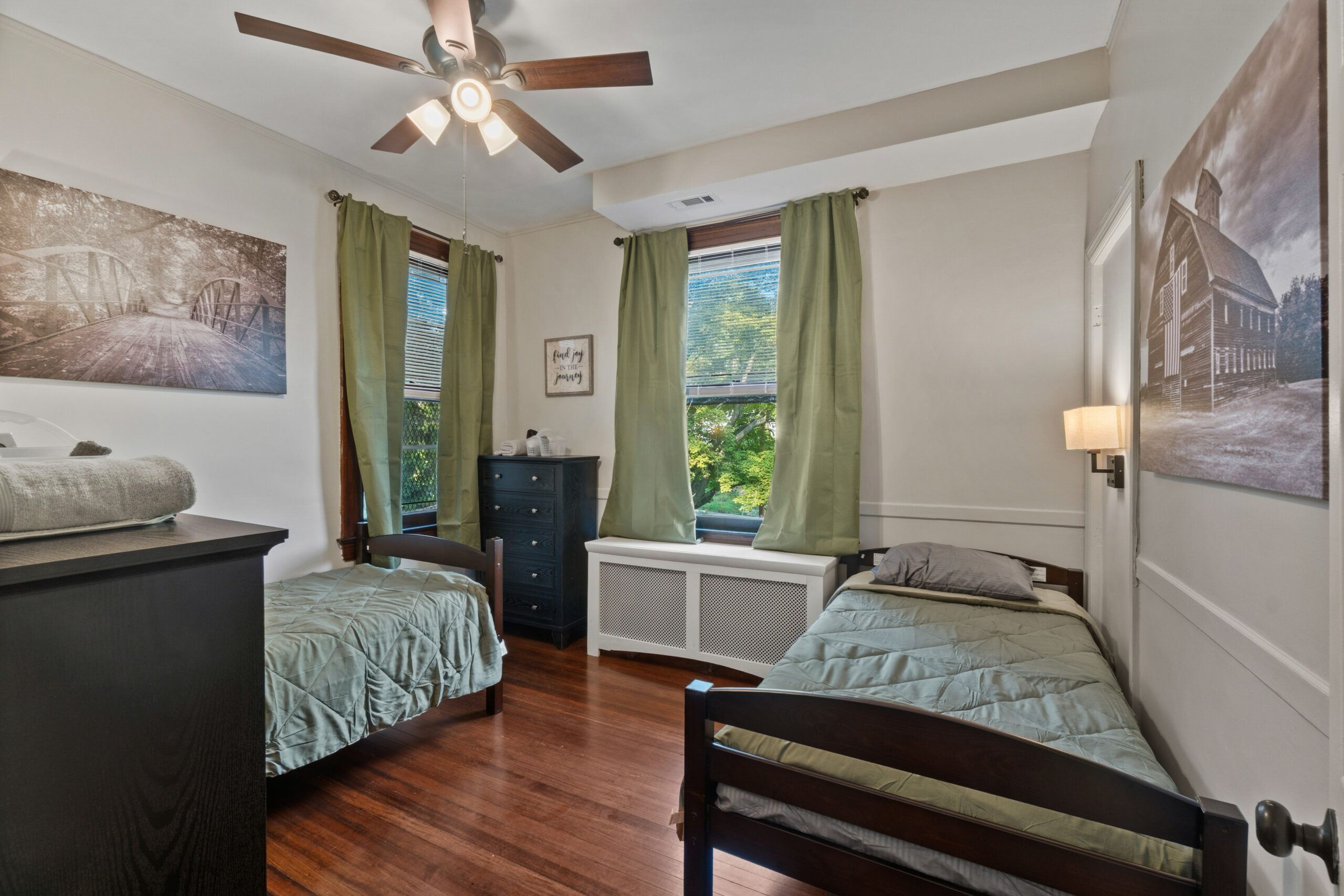
Photo Gallery of Our Accommodations